- Thewellnessreset
- Posts
- 🌿 5 Less-Talked-About Habits That Can Help You Live Longer
🌿 5 Less-Talked-About Habits That Can Help You Live Longer
In partnership with

Reset Your Energy and Feel Lighter With a January Liver Reset
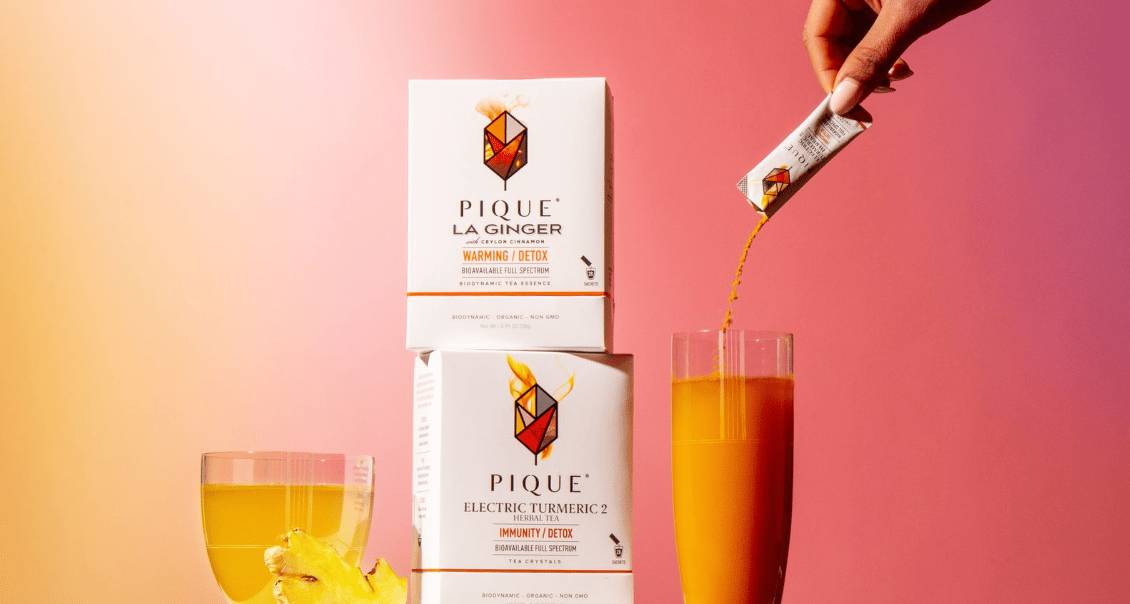
January is the perfect time to reset, rebalance, and support your body after the indulgence of the holidays. If you’re doing Dry January or simply craving a fresh start, focusing on liver health can make a powerful difference—and it’s one of the most overlooked wellness rituals.
That’s why I’ve made Pique’s Liver Detox Protocol part of my January reset. Inspired by over 3,000 years of Traditional Chinese Medicine, this gentle daily ritual supports your body’s natural detoxification processes without harsh cleanses or deprivation.
The protocol includes two simple moments a day: Electric Turmeric in the morning and La Ginger in the evening. In the morning, Electric Turmeric feels warming, grounding, and nourishing—like a calm reset before the day begins. At night, La Ginger is bold and soothing, supporting digestion and overnight renewal.
Within weeks, I noticed steadier energy, less bloating, clearer skin, and an overall lighter feeling. It didn’t feel like a detox—it felt like alignment. Two small rituals, big results.
🌿 5 Less-Talked-About Habits That Can Help You Live Longer
When we talk about living a long, healthy life, the advice is usually the same: eat well, exercise often, keep your weight in check, and avoid smoking. And while all of that matters, longevity isn’t built on diet and workouts alone.
The average life expectancy in the U.S. sits around the late 70s, but research shows there are quieter, less obvious lifestyle choices that play a powerful role in how long — and how well — we live. Some of them don’t look like “health habits” at all, yet their impact can be just as strong.
Here are five often-overlooked ways to add both years and quality to your life.
👨👩👧👦 Stay Connected to Friends and Family
Humans are wired for connection. Yet modern life is slowly pushing many people into isolation. More adults live alone today, and fewer people report having close confidants they can truly lean on. Long work hours, digital overload, and constant pressure don’t help.
Research consistently shows that strong social relationships are one of the most powerful predictors of long life. In fact, people with meaningful connections have significantly higher survival rates than those who are socially isolated. The effect of healthy relationships can rival — and even outweigh — some traditional health behaviors like exercise or weight loss.
Spending time with people who care about you isn’t just emotionally comforting; it’s biologically protective. Yet social health is rarely emphasized in medical conversations, even though it plays such a critical role in longevity.
🎯 Live With a Sense of Purpose
A life without meaning can slowly drain vitality. People who feel connected to a purpose — something that gives their days direction — tend to live longer and healthier lives.
Purpose doesn’t have to be grand. It can be caring for family, building something meaningful, serving others, or pursuing a passion. What matters is having something to wake up for.
Studies show that people with a strong sense of purpose experience lower rates of disability, cognitive decline, and brain damage related to strokes. Purpose seems to act as an anchor, keeping both the mind and body engaged over time.
🤝 Give Back Through Volunteering
Helping others doesn’t just benefit the receiver — it transforms the giver. People who volunteer regularly often experience better mental health, lower stress levels, and stronger social connections. But the benefits don’t stop there.
Volunteers tend to have healthier blood pressure levels and improved cholesterol profiles. Even individuals living with chronic illness or pain report reduced discomfort and improved function when they begin volunteering.
There’s something deeply healing about feeling useful and needed. In many cases, the positive effects of volunteering reach far beyond what medical treatment alone can achieve.
🦷 Take Oral Health Seriously (Yes, Including Flossing)
Oral health is often treated as separate from overall health — but the body doesn’t work that way. Flossing isn’t just about clean teeth or fresh breath. It plays a role in reducing harmful bacteria in the mouth that can enter the bloodstream.
Poor oral hygiene can lead to gum disease and chronic inflammation, which has been linked to heart disease and stroke. Regular flossing helps reduce this risk by keeping inflammation in check.
It’s a small daily habit, but over time, it can support heart health and overall longevity in ways many people don’t realize.
🥦 Shift Toward More Plant-Based Eating
Living longer isn’t only about how much you eat — it’s about what your food is made of. Research suggests that people who rely more on plant-based foods tend to live longer and experience fewer chronic diseases.
The benefit isn’t necessarily about cutting out all animal products; it’s about increasing plant protein from sources like legumes, nuts, seeds, and whole grains. High intake of plant protein has been linked to lower mortality, while excessive reliance on animal protein may increase health risks over time.
A diet richer in plants supports heart health, metabolic balance, and long-term vitality.
🌱 A Final Thought
Longevity isn’t built on one big decision — it’s shaped by everyday choices that quietly add up. Some of the most powerful ones don’t come in pill bottles or gym memberships. They show up in how we connect, how we serve, how we care for our bodies, and how we find meaning in our days.
Which one of these habits feels like a small, doable step for you right now?
Sometimes, adding years to your life starts with adding more life to your years.