- Thewellnessreset
- Posts
- ⚡ Are Microwaves Dangerous? What You Really Need to Know
⚡ Are Microwaves Dangerous? What You Really Need to Know
In partnership with

The New Year Ritual That Sets the Tone for Energy and Glow ✨
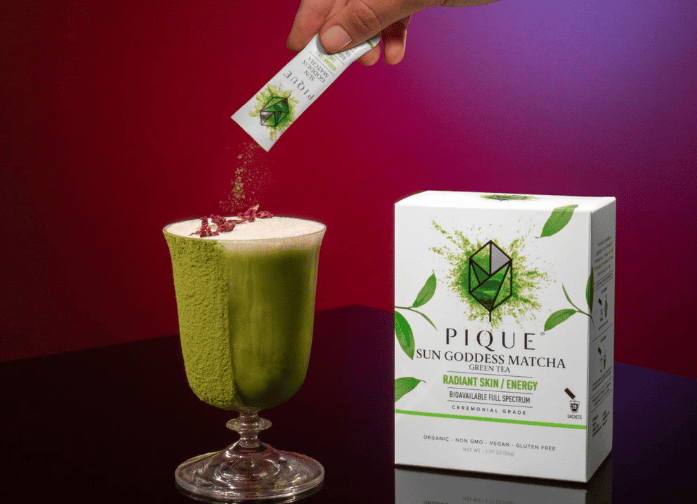
January calls for rituals that actually make you feel amazing—and Pique’s Sun Goddess Matcha is mine. It delivers clean, focused energy with zero jitters, supports glowing skin and gentle detox, and feels deeply grounding. Smooth, ceremonial-grade, and crave-worthy, it’s the easiest way to start your day clear, energized, and glowing from the inside out.
⚡ Are Microwaves Dangerous? What You Really Need to Know
Microwave ovens have been part of our kitchens for decades, yet they still carry an aura of fear. From cancer myths to radiation panic, many people avoid microwaved food entirely — not because of evidence, but because of misinformation.
So let’s clear the air.
Yes, microwaves can be dangerous — but not in the way most people think.
🔬 How Microwaves Actually Work
Microwave ovens heat food using non-ionizing electromagnetic waves. These waves make water molecules vibrate, and that vibration produces heat.
👉 Important distinction:
This is not the same radiation used in X-rays or nuclear energy.
Microwave radiation cannot alter DNA or cause radiation sickness.
Once the microwave stops, the radiation stops — nothing remains in the food.
In simple terms: microwaves heat food, they don’t poison it.
🚪 Is It Dangerous to Stand Near a Microwave?
Short answer: No — if the microwave is in good condition.
Microwaves are designed with safety systems that:
Shut off energy the moment the door opens
Trap radiation inside the metal interior (similar to a Faraday cage)
As long as:
✔ The door closes properly
✔ The seal is intact
✔ The oven isn’t damaged
…the radiation exposure is essentially zero.
🔎 Extra caution tip: Avoid pressing your body against the microwave while it’s running — not because it’s dangerous, but because it’s unnecessary.
⚠️ Can Microwaves Leak Radiation?
Leaks are rare, but possible only if the microwave is damaged.
🚫 Do NOT use a microwave if:
The door doesn’t close fully
The seal is cracked or loose
The door is bent or warped
🧼 Keep the door seal clean — grease and food buildup can interfere with proper closure.
If your microwave is intact, the radiation level outside it is far too weak to cause harm.
🧴 Can You Microwave Plastic? (This Is the Real Problem)
This is where caution is truly justified.
Heating food in plastic — even “microwave-safe” plastic — can cause:
Chemical leaching
Microplastics entering food
Potential long-term health effects
🧪 Studies show that no plastic is completely safe when heated repeatedly.
✔ Best options:
Glass containers
Ceramic bowls
Microwave-safe porcelain
🚫 Avoid:
Plastic bags
Takeout containers
Old or scratched plastic bowls
🥦 Do Microwaves Destroy Nutrients?
Surprisingly — no.
In fact, microwave cooking often:
✔ Preserves nutrients better than boiling or baking
✔ Uses shorter cooking times
✔ Requires less water (which prevents nutrient loss)
💡 Vitamins like Vitamin C and B1 are heat-sensitive, but this happens with any cooking method — not just microwaves.
Bottom line: Microwaved food is nutritionally sound.
🦠 Do Microwaves Kill Bacteria?
They can, but only if food is heated thoroughly.
⚠️ The problem:
Microwaves heat unevenly
Cold spots can remain in thick or dense foods
✔ Safety tips:
Stir or rotate food midway
Ensure food is steaming hot throughout
Avoid reheating the same food multiple times
Reheating until “just warm” may not kill bacteria — and that’s where food poisoning risk comes in.
Microwaving liquids (especially water) can cause superheating — where water gets hotter than boiling without bubbling.
⚠️ When disturbed (by adding tea, coffee, or even moving the cup), it can suddenly erupt and cause serious burns.
🛑 How to prevent this:
Stir liquids during heating
Use containers with sloped sides
Don’t overheat liquids
Add tea or powder before heating, not after
✅ The Takeaway
✔ Microwaves do not cause cancer
✔ They do not leave radiation in food
✔ They preserve nutrients well
⚠️ Heating food in plastic is the biggest real concern
⚠️ Uneven heating and superheated liquids require care
Microwaves aren’t the enemy — misuse and misinformation are.
Used properly, they remain one of the safest and most efficient cooking tools in the modern kitchen.