- Thewellnessreset
- Posts
- Beans: Nutrition, Benefits, and Tips to Reduce Gas
Beans: Nutrition, Benefits, and Tips to Reduce Gas
Beans: Nutrition, Benefits, and Tips to Reduce Gas
Beans are the mature seeds of plants belonging to the legume family, according to the Grains & Legumes Nutrition Council. They are an affordable, protein-rich, and versatile food that features prominently in diets worldwide. In addition to protein, beans are packed with B vitamins, iron, magnesium, potassium, and vitamin E, notes the U.S. Department of Agriculture (USDA).
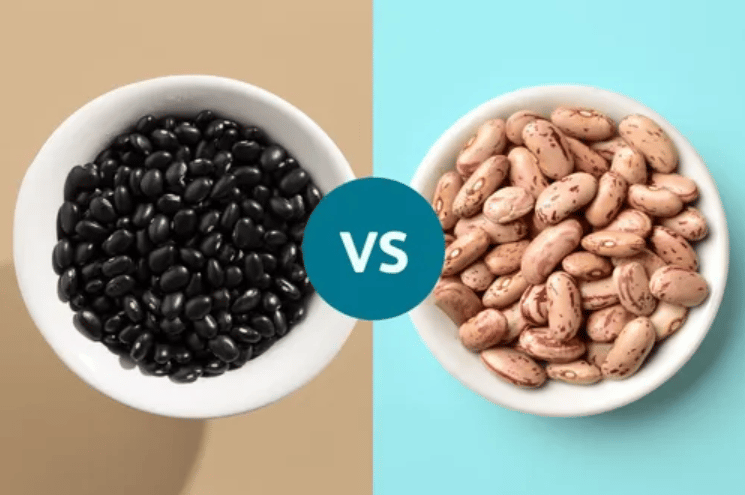
Available in a wide range of shapes, sizes, and colors, beans can be incorporated into numerous dishes. The U.S. Dry Bean Council reports that pinto beans are the most popular in the United States. Other commonly enjoyed varieties include:
Lima beans
Black beans
Black-eyed peas
Soybeans
Kidney beans
Garbanzo beans (chickpeas)
Navy beans
Red beans
Fava beans
Lentils
Beans can be consumed dry, canned, or frozen, making them a convenient option for many meals.
Beans and Gas
Passing gas is a normal part of digestion, with most people doing so up to 20 times a day, according to Mayo Clinic. Beans are well-known for causing bloating and flatulence due to their high fiber content. They also contain a carbohydrate called raffinose, which is difficult to digest. While raffinose can benefit gut bacteria, breaking it down produces intestinal gas, notes the Cleveland Clinic.
Reducing Gas from Beans
Not all beans produce the same amount of gas. Harvard Health Publishing identifies some of the bigger culprits:
Pinto beans
Navy beans
Lima beans
Whole soybeans
Beans that typically cause less gas include adzuki beans, lentils, black-eyed peas, pigeon peas, and split peas. Individual tolerance varies, so trying different types may help identify the best options for you.
Here are some strategies to make beans easier to digest:
Presoak Beans: Soaking dry beans for 12–24 hours and discarding the soaking water can reduce gas production. The longer they soak, the more effective this method. Always cook beans in fresh, clean water, and rinse canned beans before use.
Take an Enzyme: Over-the-counter products such as Beano, Bean Relief, or Bean-zyme contain alpha-galactosidase, an enzyme that helps break down gas-producing carbohydrates.
Start Small: Begin with small portions to allow your digestive system to adjust to the fiber and oligosaccharides. Gradually increase intake over time, which can reduce gas.
Chew Thoroughly: Properly chewing beans helps expose them to digestive enzymes in your saliva, making them easier to digest once they reach the stomach.
By following these tips, you can enjoy the nutritional benefits of beans while minimizing discomfort.
Sources: Everyday Health follows strict editorial guidelines, relying on trustworthy references including peer-reviewed studies, board-certified experts, and information from leading institutions.