- Thewellnessreset
- Posts
- 🧠Beyond Therapy: Can Nutrition Support Mental Health?
🧠Beyond Therapy: Can Nutrition Support Mental Health?
In partnership with

Men, Say Goodbye to Eyebags, Dark Spots & Wrinkles

Reduce eyebags, dark spots and wrinkles with the first of its kind anti-aging solution for men.
Based on advanced dermatological research, Particle Face Cream helps keep your skin healthy and youthful, ensuring you look and feel your best every day.
Get 20% off and free shipping now with the exclusive promo code BH20!
🧠 How Food Affects Mood
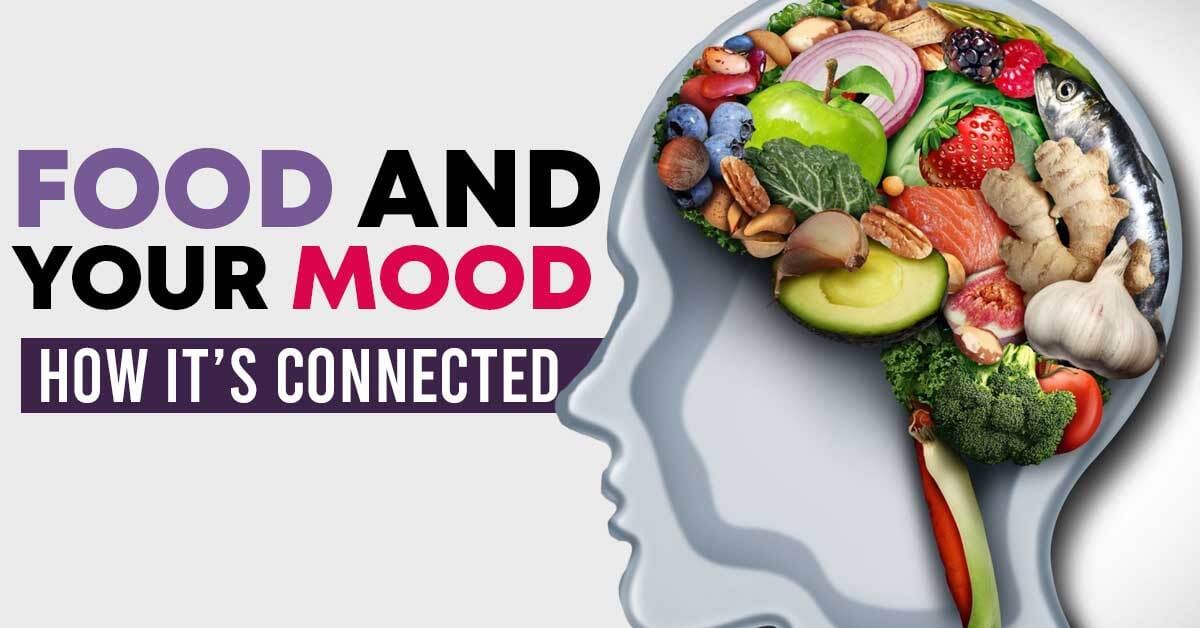
Your brain needs certain nutrients to make neurotransmitters — chemicals like serotonin and dopamine that help regulate mood. What you eat influences inflammation, gut health, energy levels, and even stress hormones — all of which affect how you feel.
🥗 Diet Patterns That May Help With Depression
1. Mediterranean Diet
This is one of the most studied eating patterns for mental well-being.
🥑 What it includes:
Fruits and vegetables
Whole grains (e.g., brown rice, oats)
Healthy fats like olive oil
Lean proteins like fish, legumes, nuts, seeds
Moderate dairy
🧠 Why it may help:
This diet is rich in omega-3 fats, antioxidants, and fiber, which support brain health and reduce inflammation — all linked to better mood.
2. Anti-Inflammatory Diet
Inflammation in the body has been connected to depression symptoms in some people.
🍓 Focus on:
Colorful fruits and vegetables
Green tea
Turmeric and ginger
Nuts and seeds
Lean proteins
This is similar to Mediterranean eating, emphasizing whole, minimally processed foods.
3. Plant-Forward or Whole Foods Diet
Eating mostly unprocessed foods helps keep nutrient levels stable.
✅ Good choices:
Beans, lentils
Whole grains
Leafy greens
Berries and fruits
Seeds like flax and chia
These foods supply fiber, antioxidants, vitamins, and minerals that support gut and brain health.
🍽️ Nutrients that Support Mood
Certain nutrients are linked with better mental health:
Nutrient | Why It Matters | Foods That Provide It |
|---|---|---|
Omega-3 Fatty Acids | Helps build brain cells | Salmon, sardines, walnuts, flaxseed |
B Vitamins (esp B6 & B12) | Helps make mood chemicals | Eggs, beans, spinach, dairy |
Vitamin D | Linked to mood regulation | Fortified foods, sunlight |
Magnesium | Supports nervous system function | Nuts, seeds, greens |
Zinc | Affects neurotransmitters | Beans, whole grains, oysters |
🍫 Foods to Enjoy in Moderation
Some foods might make mood symptoms worse when over-eaten:
❌ Sugary drinks and sweets
❌ Heavily processed snacks
❌ Excess caffeine at night
❌ Fast food high in unhealthy fats
These can cause energy crashes or inflammation.
🧩 Your Gut and Your Mood
The gut has a strong connection to the brain — sometimes called the gut-brain axis. Foods that help healthy gut bacteria may also support better mood:
✅ Yogurt with live cultures
✅ Kefir
✅ Sauerkraut, kimchi
✅ High-fiber foods
📌 Important Notes
Diet isn’t a replacement for mental health care. If someone feels depressed, it's important they talk to a trusted adult or a health professional.
Changes in diet take time. Improvements in mood may be gradual.
Everyone’s body is different — what helps one person may not help another.
🥦 Simple Mood-Friendly Meal Ideas
🟢 Oatmeal with berries and chia
🟢 Grilled fish with quinoa and greens
🟢 Veggie stir-fry with tofu and brown rice
🟢 Lentil soup with salad
🟢 Greek yogurt with fruit and nuts