- Thewellnessreset
- Posts
- 🧴Hyperpigmentation 101: How to Prevent, Treat, and Fade Dark Spots
🧴Hyperpigmentation 101: How to Prevent, Treat, and Fade Dark Spots
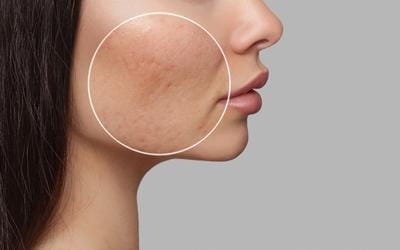
✨ If dark spots caused by hyperpigmentation are bothering you, you’re not alone — and the good news is that there are more effective ways to fade them today than ever before.
Hyperpigmentation simply means areas of skin that appear darker than your natural tone due to excess production of melanin, the pigment that gives skin its color. This can happen for many reasons, including sun exposure, inflammation, melasma, certain medications, or underlying medical conditions. Common examples include age spots and sunspots.
Below, dermatology experts share practical, proven ways to prevent hyperpigmentation and gradually reduce its appearance.
🧴 1. Keep Skin Well-Moisturized to Encourage Renewal
Lightening dark spots works best when the skin is healthy overall. A quality over-the-counter moisturizer should do more than hydrate — it should support skin repair and renewal.
According to Doris J. Day, MD, a clinical assistant professor of dermatology at NYU Medical School, effective moisturizers often contain ingredients like glycerin or hyaluronic acid for hydration, along with retinol to help speed up cell turnover. These supporting ingredients help active brightening agents perform better.
Moisturizers also help restore the skin’s lipid (fat) barrier, which keeps new skin cells strong as they move to the surface to replace older, pigmented ones.
☀️ 2. Protect Your Skin From Sun Exposure
Sun protection is essential when it comes to preventing and treating hyperpigmentation. Daily use of a broad-spectrum sunscreen with SPF 30 or higher is one of the most powerful tools available — even on cloudy days.
“UV exposure pushes pigment production into overdrive,” says Dr. Day. “Without sun protection, dark spots will only become darker.”
Choose a sunscreen labeled broad spectrum to protect against both UVB and UVA rays. Dermatologists also recommend avoiding peak sun hours (between 10 a.m. and 2 p.m.) and wearing protective accessories like wide-brimmed hats.
🚫 3. Avoid Picking at Your Skin
Scratching bug bites, squeezing blackheads, or picking at healing skin can all make hyperpigmentation worse.
“Any form of picking increases inflammation, which leads to discoloration,” explains Jeanine Downie, MD, a dermatologist in New Jersey. “The more irritation you cause now, the darker and longer-lasting the spot can become.”
Let blemishes and bites heal naturally to reduce the risk of post-inflammatory dark marks.
🧪 4. Try Over-the-Counter Brightening Treatments
The earlier you address hyperpigmentation, the easier it is to fade. Over time, pigment can settle deeper into the skin, making it harder to treat.
Dermatologists recommend OTC products containing ingredients such as azelaic acid, glycolic acid, vitamin C, and retinoids. These ingredients either slow melanin production or help remove pigmented surface cells.
Cosmetic chemist Ni’Kita Wilson explains that ingredients like vitamin C, kojic acid, and licorice root work by blocking tyrosinase — an enzyme essential for melanin formation. Other ingredients, including tranexamic acid and alpha- or beta-hydroxy acids, help by reducing pigment production and gently exfoliating the skin.
⚠️ Important: Avoid unsafe skin-lightening methods. Dermatology experts strongly warn against using household bleach or unregulated products, which may contain harmful substances like mercury or steroids.
🩺 5. Ask About Prescription Treatments
When OTC options don’t deliver results, a dermatologist may recommend prescription-strength solutions.
Hydroquinone is often considered the most effective treatment for stubborn dark spots. It works by slowing melanin production and is available by prescription. Because it can increase sun sensitivity or lighten surrounding skin if misused, it should always be used under medical supervision.
Other prescription options may include tretinoin (a vitamin A derivative) or topical corticosteroids, depending on the cause and severity of the pigmentation.
💉 6. Consider In-Office Procedures
For deeper or long-standing discoloration, dermatologists may suggest professional treatments such as chemical peels, microneedling, microdermabrasion, or laser therapy.
Dr. Neelam Vashi, associate professor of dermatology at Boston University, says she often combines topical treatments with procedures for better results. However, these treatments must be carefully chosen, especially for darker skin tones.
Certain lasers and light-based therapies can worsen pigmentation or cause burns if used incorrectly. This is why a thorough skin assessment by a trained professional is essential before undergoing any procedure.
🌿 7. Use Aloe Vera With Caution
Many home remedies claim to lighten dark spots, but few are backed by science. One exception may be aloe vera.
Dermatologist Susan Massick, MD, notes that aloe vera contains aloesin, a compound with soothing and anti-inflammatory properties. In higher concentrations, it may also reduce pigment production by interfering with melanin-forming pathways.
⚠️ However, lemon or lime juice should be avoided. When exposed to sunlight, these can trigger a reaction that worsens hyperpigmentation.
🥗 8. Support Your Skin With a Balanced Diet
Healthy skin reflects what you put into your body. A diet rich in vitamins A, B, C, and E, antioxidants, and minerals like zinc and magnesium can support skin repair and renewal.
Some supplements — such as green tea, licorice extract, mulberry, or polypodium leucotomos — may help protect the skin from inflammation and sun damage. Always consult a healthcare provider before starting supplements.
On the flip side, foods with a high glycemic index (like sugary snacks and refined bread) may worsen pigmentation. Excess alcohol can also dehydrate the skin, making dark spots more noticeable.
✅ The Bottom Line
Hyperpigmentation is common and usually harmless, but it can affect confidence. With the right mix of sun protection, skincare, nutrition, and professional care, dark spots can often be prevented or significantly faded.
🚨 If discoloration comes with redness, itching, pain, warmth, or pus — or if it suddenly worsens — seek medical advice from a dermatologist or healthcare professional.