- Thewellnessreset
- Posts
- 🤸Fitness and Exercise: Health Benefits, How to Get Started, and How to Get Better
🤸Fitness and Exercise: Health Benefits, How to Get Started, and How to Get Better
In partnership with

Men, Say Goodbye to Eyebags, Dark Spots & Wrinkles

Reduce eyebags, dark spots and wrinkles with the first of its kind anti-aging solution for men.
Based on advanced dermatological research, Particle Face Cream helps keep your skin healthy and youthful, ensuring you look and feel your best every day.
Get 20% off and free shipping now with the exclusive promo code BH20!
Fitness and Exercise: Health Benefits, How to Get Started, and How to Get Better
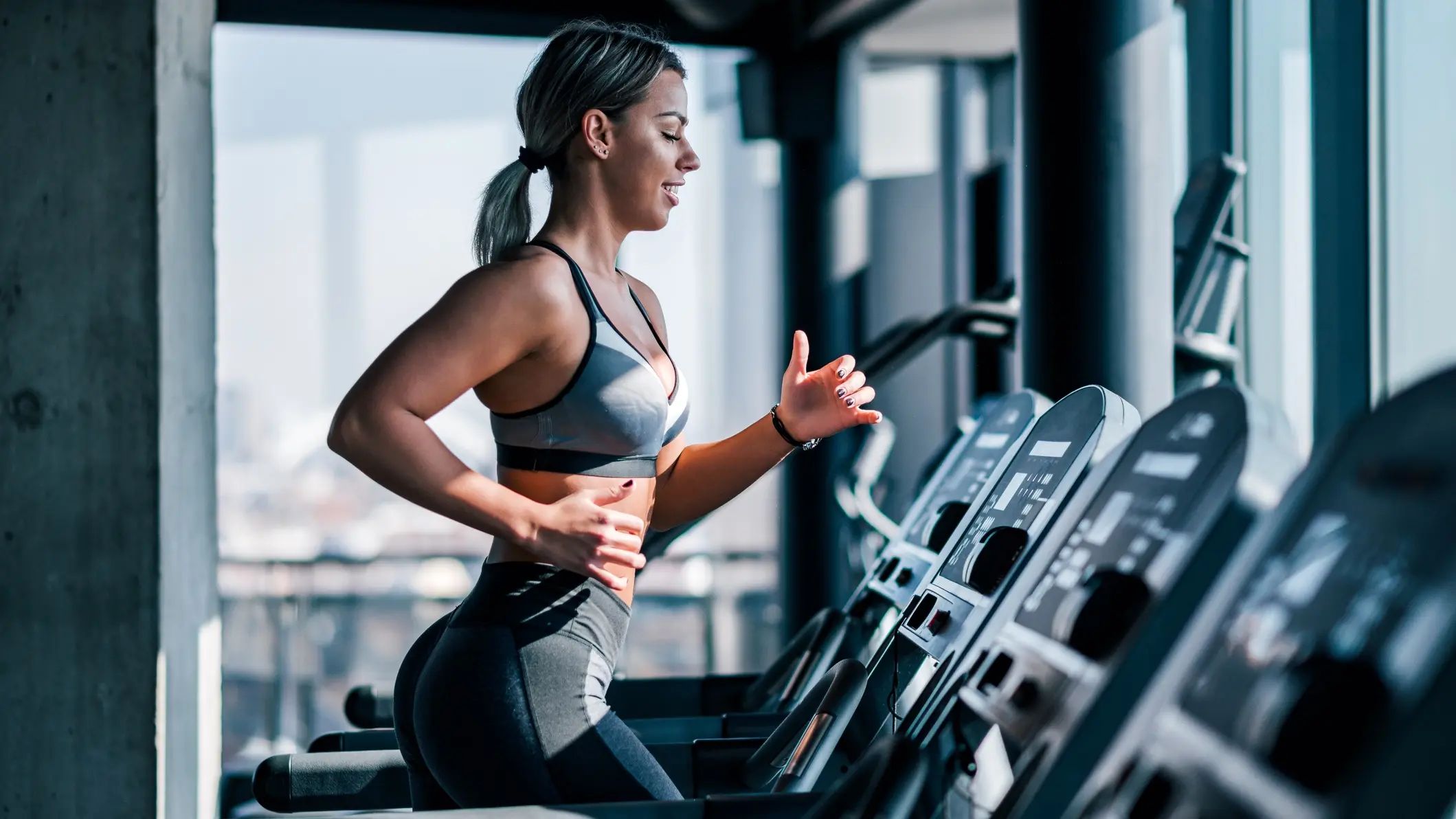
Many people aim to be fit — and for good reason. Fitness is strongly connected to long-term health, daily energy, and overall quality of life.
A higher level of fitness lowers your risk of chronic illnesses, improves how well you manage health conditions, and enhances mobility as you age. In the short term, regular movement boosts mood, sharpens focus, and improves sleep.
Simply put: your body is designed to move — and it works better when it does.
It’s also important to understand that fitness does not have one “look.” A ballet dancer, a sprinter, and a weightlifter are all fit in different ways. Appearance alone doesn’t determine health or fitness.
What It Means to Be Fit
According to the Physical Activity Guidelines for Americans from the U.S. Department of Health and Human Services, physical fitness includes five key components:
1️⃣ Cardiorespiratory Fitness
Often measured by VO₂ max, this reflects how efficiently your body uses oxygen during activity. Strong cardiorespiratory fitness supports heart health and stamina.
2️⃣ Musculoskeletal Fitness
This includes muscle strength, endurance, and power — all crucial for daily tasks and injury prevention.
3️⃣ Flexibility
The range of motion in your joints and muscles.
4️⃣ Balance
Your ability to stay steady and avoid falls — especially important as you age.
5️⃣ Speed
How quickly you can move.
A landmark 1985 research paper distinguished:
Physical activity: Any movement that burns energy.
Exercise: Planned, structured activity.
Physical fitness: The ability to perform daily tasks with vigor, alertness, and without excessive fatigue.
In real life, fitness means function. Can you carry groceries without getting winded? Climb stairs comfortably? Play with your kids without exhaustion? That’s fitness.
Types of Fitness
A well-rounded routine includes several forms of movement.
🫀 Aerobic (Cardiovascular) Exercise
Also called cardio, this type increases heart and breathing rate and improves endurance.
The American Heart Association highlights cardio as essential for heart health.
Examples include brisk walking, running, cycling, swimming, dancing, tennis, jump rope, and aerobic classes.
💪 Strength Training
Strength training builds muscle and protects bone health — especially important as we age.
The American College of Sports Medicine defines strength training as exercise designed to improve muscular fitness by working muscles against resistance.
Examples include lifting weights, resistance bands, bodyweight exercises (pushups, squats), carrying heavy loads, and strenuous gardening.
Strength training reduces fall risk and helps preserve independence later in life.
🤸 Flexibility and Mobility
These are related but different:
Flexibility: Ability of muscles and tendons to stretch.
Mobility: Ability to move joints through full range of motion.
While there’s no specific minute recommendation, flexibility exercises remain important for overall physical function. Older adults should also include balance training weekly to reduce fall risk.
🧘 Rest and Recovery
Rest is not laziness — it’s growth time.
Exercise stresses muscles. Recovery allows them to repair and become stronger.
Recovery days may include light walking, gentle yoga, stretching, or other low-intensity movement. The goal isn’t inactivity — it’s avoiding strenuous effort.
Health Benefits of Exercise
The benefits of exercise are powerful and wide-ranging.
The American Medical Association partnered with the American College of Sports Medicine to launch Exercise Is Medicine, recognizing physical activity as essential to healthcare.
🧠 Better Mood
Regular activity reduces anxiety and depression symptoms and promotes positive brain changes.
😴 Improved Sleep
Most research shows exercise improves sleep quality and duration — though intense workouts too close to bedtime may interfere for some people.
❤️ Long-Term Disease Prevention
Regular activity reduces risk of heart disease, type 2 diabetes, stroke, and some cancers. Research involving more than 116,000 adults showed meeting recommended activity levels reduced risk of death from any cause by 19 percent.
🩺 Chronic Disease Management
The Centers for Disease Control and Prevention notes exercise helps manage osteoarthritis, high blood pressure, diabetes, Parkinson’s disease, multiple sclerosis, dementia, and stroke recovery.
For most people, walking is a safe and effective starting point.
How Much Exercise Do You Need?
According to the U.S. Department of Health and Human Services:
150 minutes of moderate-intensity aerobic activity per week
OR75 minutes of vigorous activity per week
Plus:
Strength training at least 2 days per week, targeting major muscle groups.
More activity (up to about 300 minutes weekly) brings additional benefits.
🥗 What to Eat Around Your Workouts
Nutrition supports performance and recovery.
Before Exercise
If hungry, choose easy-to-digest carbohydrates like a banana, cereal, or toast with nut butter.
During Exercise
For workouts longer than 60 minutes, aim for 30–60 grams of carbohydrates per hour.
After Exercise
After intense sessions, combine carbohydrates with 10–20 grams of protein to support recovery.
Low-intensity workouts may not require immediate refueling.
🚀 Tips to Get Started and Stay Motivated
Break workouts into smaller sessions — short movement bursts count.
Start slowly and increase intensity gradually.
Count everyday activities like cleaning or playing with kids as movement.
Schedule workouts like appointments.
Consider time-efficient HIIT workouts.
Find a workout partner for accountability.
🏠 Home Gym Basics
You don’t need expensive equipment to get started.
Begin with bodyweight exercises like squats, lunges, and pushups. Add a yoga mat, resistance bands, or basic dumbbells as you progress.
There are countless online programs that require minimal space and no equipment.
FAQ
Does fitness have a certain look?
No. Fitness is about function and health, not appearance.
Is walking enough?
For many beginners, yes — consistency matters more than intensity.
Can you exercise too much?
Yes. Excessive overtraining can stress the body. Balance is important.