- Thewellnessreset
- Posts
- 🧀 Shredded Cheese Recall in 31 States: What You Need to Know About the Metal Fragment Risk
🧀 Shredded Cheese Recall in 31 States: What You Need to Know About the Metal Fragment Risk
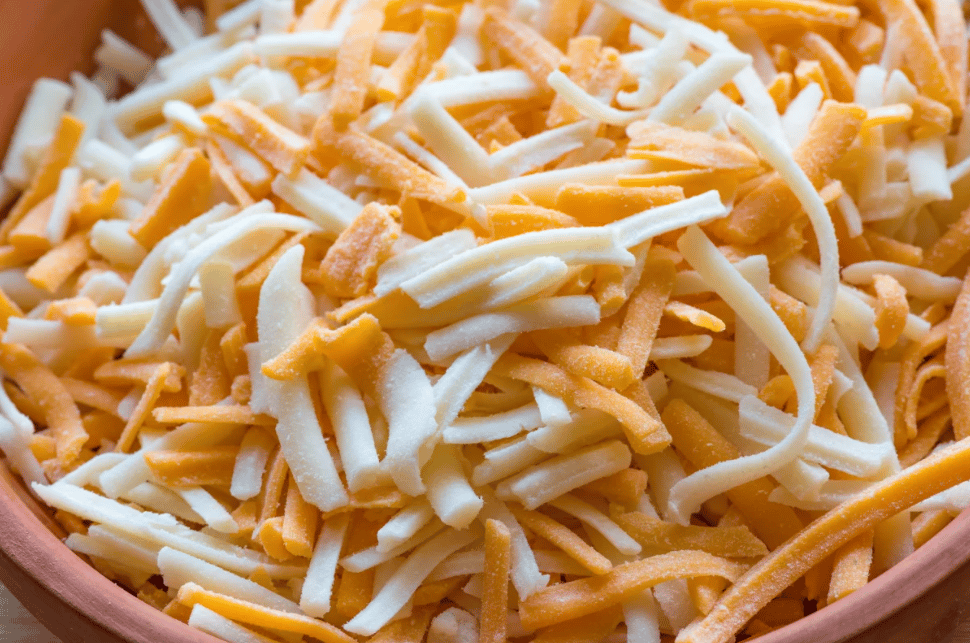
🧀 Shredded Cheese Recall in 31 States: What You Need to Know About the Metal Fragment Risk
A major food-safety alert has been issued across the United States as more than 1.5 million bags of shredded cheese have been recalled due to possible metal fragment contamination. The recall spans 31 states and Puerto Rico, affecting some of the country’s largest retailers, including Walmart, Target, Aldi, Publix, and several regional grocery chains.
This article breaks down what happened, the health risks involved, and what consumers should do next to stay safe.
⚠️ What Triggered the Recall?
The recall was launched by Great Lakes Cheese Co., a major U.S. cheese supplier, after the company discovered that certain batches of shredded cheese may contain small metal fragments.
This type of contamination usually happens when a piece of machinery malfunctions during production, shedding tiny pieces of metal into the food product.
The U.S. Food and Drug Administration (FDA) categorized the situation as a Class II recall. This classification means the product may cause temporary or medically reversible health problems, but the chance of severe injury is relatively low.
However, the risk is still serious enough that consumers are urged to stop eating the affected products immediately.
🛒 Which Cheese Products Are Affected?
Because Great Lakes Cheese supplies cheese that is repackaged under many store-brand labels, the recall covers a wide range of products.
Some of the common product types include:
Low-moisture part-skim mozzarella
Italian-style blends
Pizza-style shredded cheese
Mozzarella & provolone blends
Mozzarella & parmesan blends
Four-cheese blends
Many of these products appear under store brands such as:
Great Value (Walmart)
Good & Gather (Target)
Happy Farms (Aldi)
Publix store brands
Borden
Coburn Farms
Laura Lynn
Brookshire’s
If you recently purchased shredded cheese from a major retailer, there’s a chance it could be part of the recall.
🩺 Health Risks: Why Metal Fragments Are Dangerous
Even tiny metal fragments can cause meaningful harm if swallowed. Possible health risks include:
1. Cuts or Injuries Inside the Mouth
Metal particles can cut gums, the tongue, or the inner cheeks.
2. Damage to the Teeth
Hard fragments can chip or crack teeth, leading to expensive dental treatment.
3. Throat or Digestive Tract Injuries
If swallowed, foreign objects can cause:
Scratching of the throat
Abdominal pain
Vomiting
Internal bleeding in severe cases
4. Infection
Any injury in the digestive system can introduce bacteria and lead to infection if not treated promptly.
While the FDA believes the risk of severe injury is low, the potential complications are serious enough to justify immediate caution.
🧾 What You Should Do If You Bought the Cheese
✔️ 1. Check Your Refrigerator
Look closely at the brand, variety, and best-by date on the packaging. If it matches any recalled category, treat it as unsafe.
✔️ 2. Do NOT Eat It
Even if the product looks normal, contamination is not always visible.
✔️ 3. Return or Dispose
Stores are offering:
Full refunds, or
Instructions on how to safely discard the product
You don’t need a receipt.
✔️ 4. Monitor Your Health
If you have already eaten the cheese and notice:
Unusual throat discomfort
Stomach pain
Vomiting
Cuts in the mouth
Seek medical advice immediately.
🧠 A Reminder on Food Safety
Large food recalls like this one highlight how important it is to stay aware of alerts from the FDA or your local news sources. Contaminations can happen even with widely trusted brands, and early action can prevent serious harm.
Regularly checking expiration dates, packaging conditions, and recall announcements can significantly reduce your risk.
🧀 Conclusion
The shredded-cheese recall is a major event that affects millions of households. While the health risks are considered moderate, the consequences of ingesting metal fragments can still be harmful.
If you purchased shredded cheese from a major retailer recently, take a moment to verify whether it’s part of the recall. When it comes to food safety, it's always better to be cautious.